
10 Tips for Flying to Thailand With Toddlers
Editorial Team · 27 November 2026 · 12 min read
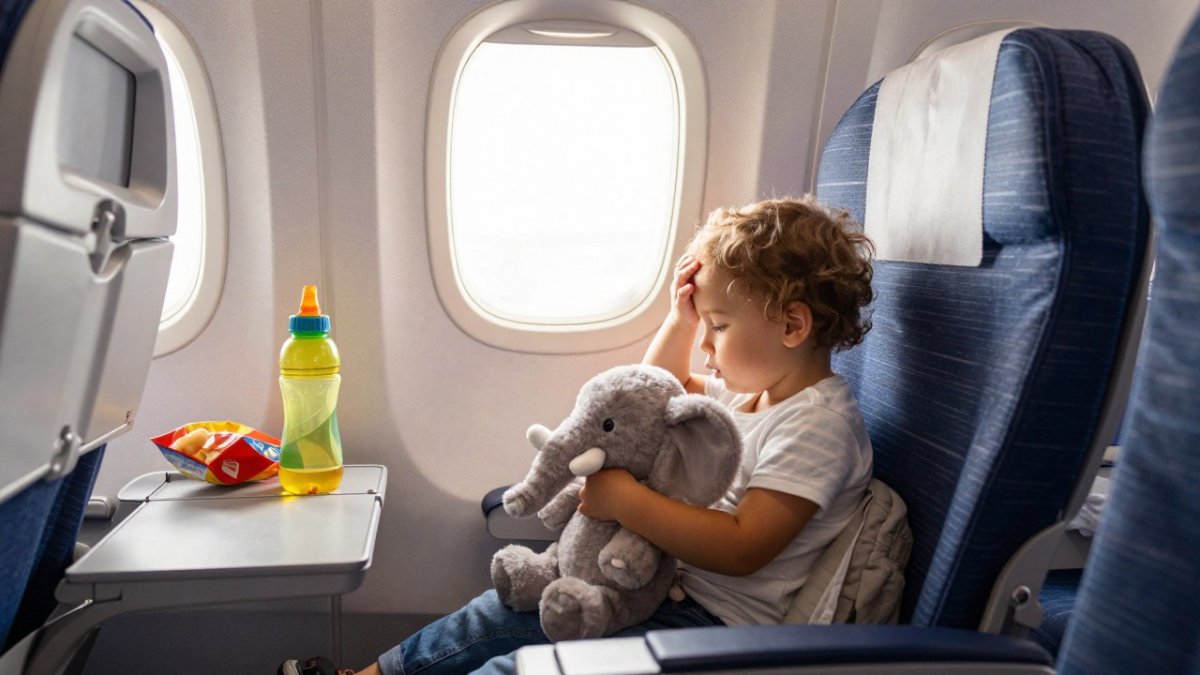
Quick Summary
Flying to Thailand with a toddler is manageable with planning. Start at least two months ahead, choose a direct flight where possible, and confirm each airline's rules on seats, bassinets and baggage before you book.
- Book at least two months before departure to compare fares, choose seats and sort travel documents.
- Check that every passport is valid for the full trip and whether your toddler needs their own.
- Choose direct flights where possible, as connections add risk of missed flights and stressful changes.
- Confirm whether a lap infant fare includes a checked bag or pushchair, since many do not.
- Shift bedtime by 15-30 minutes a day before departure to ease the time-zone change.
Table of Contents
- Planning Your Flight to Thailand With a Toddler
- Choosing Direct Flights or Connections
- Airline Policies for Toddler Seats, Bassinets and Baggage
- Flying Long Haul With a Toddler: Sleep, Jet Lag and Ear Pressure
- Flying With a Toddler Packing List for the Cabin Bag
- Airport Security, Liquids, Milk and Toddler Food
- Is It Safe to Travel to Thailand With Kids? Health and Safety on Arrival
- Planning Your Thailand With Toddlers Itinerary for 10 Days
- Frequently Asked Questions
Planning Your Flight to Thailand With a Toddler
Last Updated: November 26, 2026
Flying to Thailand with a toddler takes more planning than a normal trip, but it is far from impossible. Start by picking your dates, checking your passports, and deciding how long your flights can comfortably be when flying to Thailand.
The best time to start is at least two months before departure. This gives you room to compare fares, choose seats, and sort out travel documents.
- Check that every family member's passport is valid for the full trip
- Confirm whether your toddler needs their own passport
- Book seats early to keep the family together
- Save a copy of all booking references on your phone and in email
A common mistake is booking the cheapest fare without looking at the flight length. A short hop is easy with a toddler. A 12-hour flight with a tired child is much harder. Think about the route before you think about the price.
Our advice is to set one clear goal for the flight: get your toddler through the journey with the least stress for everyone. That single goal will guide most of the choices below.
Choosing Direct Flights or Connections
Direct flights are usually the easiest choice for families with toddlers. There is one takeoff, one landing, and no rush to catch a second plane with a pushchair and a sleepy child.
Connections can work too, but they need a little more care. Look for a long enough layover to change terminals and get a meal. Connecting flights can work well for families, but a delay can leave you stranded, so allow a comfortable gap between flights.
Compare your options side by side on book flights from the UK and Nigeria to anywhere before you decide. You can see live fares, taxes included, and choose the route that suits your family best.
Watch out: A cheap connecting fare can cost more in stress and extra nights if a connection is missed. Check the total travel time, not just the price.
If your budget is tight, spreading the cost with instalments may help you choose a direct flight rather than a cheaper, longer route. Also, avoiding hidden flight booking fees matters when you compare totals.
Airline Policies for Toddler Seats, Bassinets and Baggage
Airline rules for toddlers vary more than most parents expect, and the differences affect both cost and comfort. Before you book, work through the four questions below for every carrier on your route.
1. Lap child or own seat? Most airlines let a child under two travel on an adult's lap, usually for a reduced infant fare or a percentage of the adult fare plus taxes.
2. Can you use a car seat on board? Not every seat is approved for aircraft use, and not every airline accepts them.
3. Are bassinets available? Bassinets are usually reserved for babies below a set weight and age, commonly around 10-12 kg and under about 12-24 months, depending on the carrier, and they attach to a bulkhead position. They are limited in number, so request one at booking and reconfirm closer to departure.
4. What baggage is included? Policies differ on whether a pushchair, travel cot or car seat travels free, whether it counts towards the child's allowance, and whether it is checked at the gate or the desk.
- Ask whether your toddler can use an approved car seat or harness on the plane
- Check the bassinet weight and age limits, and request one at booking
- Confirm the free baggage allowance for children, including pushchairs and travel cots
- Request special meals or baby food in advance if needed
Many families find that the airline's booking page does not explain these details clearly. Call or message the airline directly and keep a written note of the answer, including the agent's name and the date. You may also want to read the FAQ on gonaija.net, which covers changes, refunds and booking terms.
Watch out: Do not assume a lap infant fare includes a checked bag or a pushchair. Confirm the allowance with the airline before you book.
The rules on seats, bassinets and baggage differ between airlines, so check these four points for each carrier on your route before you book.
| Question | What to check | Key point |
|---|---|---|
| Lap child or own seat? | Minimum and maximum age for lap travel | Separate seat often better on long-haul |
| Car seat on board? | Label showing aircraft approval | Window seat usually required |
| Bassinet available? | Weight and age limits | Around 10-12 kg and under 12-24 months |
| Baggage included? | Free allowance for child, pushchair and travel cot | Lap infant fare may exclude a checked bag |
Flying Long Haul With a Toddler: Sleep, Jet Lag and Ear Pressure
Long-haul flights are where most families feel the strain, and the difference between a manageable journey and a miserable one is usually the plan you make before you leave.
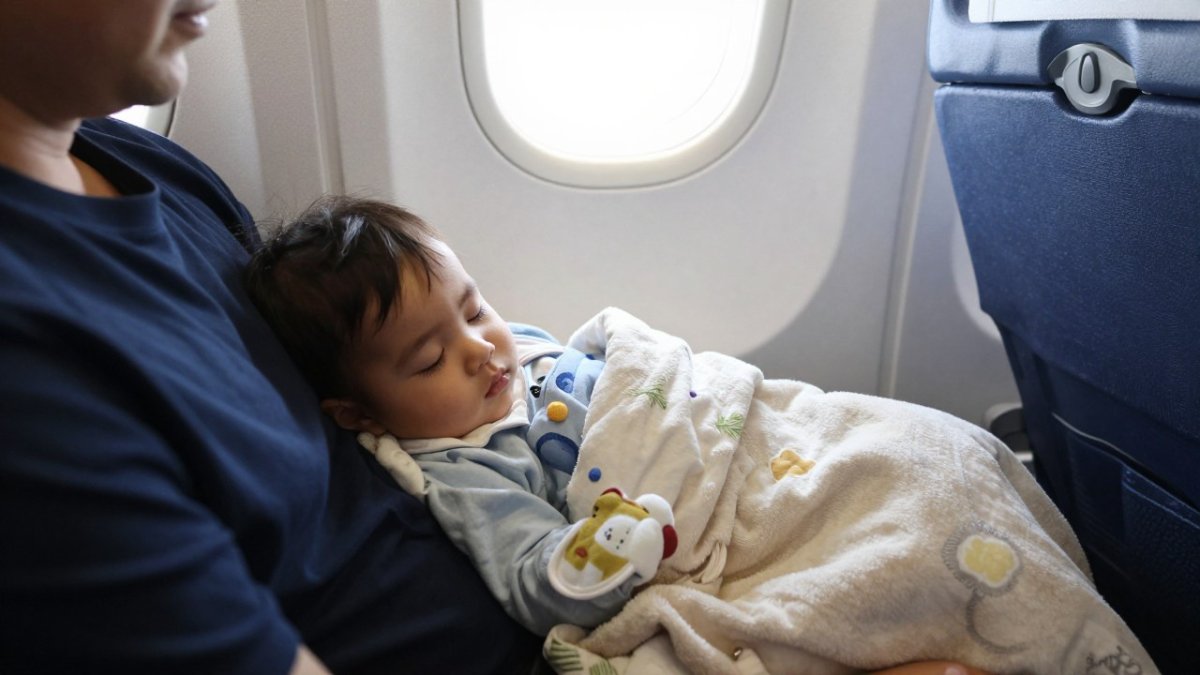
Before you fly: shift bedtime gradually. In the week before departure, move your toddler's bedtime and nap times by 15-30 minutes a day towards the Thai schedule.
On the plane: build sleep in small steps. Do not try to force a perfect routine. Dim the cabin lights and reduce stimulation in the hours before you want the toddler to sleep, and keep daytime naps short so the child is tired enough to sleep at the right time.
Ear pressure on take-off and landing. Offer a drink, a snack, or a dummy during descent, chewing and swallowing help the ears adjust. For a toddler, a beaker or a chewy snack works better than a bottle.
Motion sickness and turbulence. Keep seating near the wings if possible, where movement is felt least, and bring a change of clothes in the cabin bag just in case. A small plastic bag and a spare top for you are worth the space.
On arrival: anchor the new day. Get outside in daylight on the first morning, keep meals at local times, and resist the urge to let the toddler sleep through the afternoon.
Watch out: Do not give your toddler new medicine on the plane without checking with a doctor first. Stick to what your child already knows, and keep any regular medicines in their original packaging in the cabin bag.
Flying With a Toddler Packing List for the Cabin Bag
Your cabin bag should hold everything you need for the first 24 hours, in case checked bags are delayed. Keep it light and easy to reach.
- Spare nappies and wipes for the whole flight, plus two extra
- A full change of clothes for the toddler and one for you
- Snacks that do not get messy, such as dry crackers or fruit pouches
- A refillable water bottle for the toddler
- Comfort items, such as a favourite blanket or soft toy
- Any regular medicines, kept in their original packaging
- Passports, tickets and booking references in one easy-to-reach pocket
Pack a small plastic bag for dirty nappies and wet clothes. This simple item saves a lot of trouble mid-flight.
Airport Security, Liquids, Milk and Toddler Food
Airport security rules can be confusing with a child. Most airports let you carry essential liquids for children through security, but you may be asked to show them.
- Bring milk, formula, or juice in reasonable amounts for the flight
- Tell the security officer about any baby food or milk before you reach the scanner
- Pack liquids in a clear bag, separate from your other items
- Carry any medicine in its original packaging with the prescription label visible
Sort out food before you reach the airport. Many terminals have limited options for toddlers, so pack enough snacks for the whole journey, plus a few spare pouches for delays.
Is It Safe to Travel to Thailand With Kids? Health and Safety on Arrival
Many families travel to Thailand with young children every year. The main safety steps are the same as for any holiday: plan ahead, protect against the sun and insects, and keep track of your child in busy places.
Speak to your doctor or a travel health clinic at least six weeks before you go. Ask about vaccinations and any medicines your toddler may need. Pack a basic first-aid kit with oral rehydration salts, plasters, and insect repellent that is safe for young children.
Water safety also matters. Use bottled or filtered water for drinks and brushing teeth, and keep your toddler away from pools and the sea unless you are watching closely.
For the latest health guidance, check the official travel advice from the UK government before you travel.
Planning Your Thailand With Toddlers Itinerary for 10 Days
A 10-day trip with a toddler works best when you move slowly. Pick two or three bases rather than changing hotels every night.
- Days 1-2: Arrive, rest, and adjust to the time zone near Bangkok
- Days 3-5: Visit one or two family-friendly attractions each day, with a long midday rest
- Days 6-8: Travel to a quieter beach area or island with a calm, shallow shoreline
- Days 9-10: Return to the city for an easy last day and an early flight home
Keep each day to one main activity. Leave space for naps, meals, and unplanned play. Families who travel this way often find the trip feels relaxed rather than rushed.
If you would prefer a ready-made plan, you can compare Thailand holiday packages from the UK for families in 2026 to see what is on offer.
Ready to plan your flight? Search flights from your UK or Nigerian airport on gonaija.net and find a route that suits your family.
Frequently Asked Questions
Is it safe to travel to Thailand with toddlers?
Yes, many families travel to Thailand with toddlers each year, but it takes some preparation. Check your country's travel advice before you go, make sure your routine vaccinations are up to date, and ask your GP or a travel clinic about any recommended jabs for your destination. Use sunscreen and insect repellent daily, bring a basic first aid kit with a children's paracetamol or ibuprofen suitable for your child's age, and choose accommodation with air conditioning and secure balconies or railings. Keep bottled water for drinking and brushing teeth, and make sure to consider travel insurance that covers children.
What should I pack for a long-haul flight to Thailand with a toddler?
Pack a cabin bag with everything your toddler needs for the first 24 hours, in case checked luggage is delayed. Include spare clothes for both of you, several nappies and wipes, a sealed bag for dirty items, a small activity kit, favourite snacks, a refillable water bottle, and any medicines in their original packaging. Bring a comfort item such as a blanket or soft toy, and a change of clothes for yourself. Keep important documents, your passport and travel insurance details easily reachable.
How can I help my toddler sleep on a flight to Thailand?
Try to shift your toddler's routine a day or two before departure so that bedtime lines up with the flight schedule where possible. Board with a familiar bedtime routine, dim lights and a comfort object. Use a nursing or bottle feed during take-off and landing to help with ear pressure. If your airline offers bassinets for infants, check the weight and age limits before you book. Expect broken sleep, and plan for a gentle reset once you arrive.
Do toddlers need their own seat on an international flight to Thailand?
Children under two can often fly as a lap infant on many airlines, but this usually means a reduced fare and no guaranteed seat. Children aged two and over normally need their own seat. If you plan to use a car seat on the plane, confirm with the airline in advance that it is approved for aircraft use and that a seat is reserved for it. Airline policies differ, so check directly with the carrier before you book.
